Moving is often a stressful and complex task. However, it is possible to make this process easier by adequately preparing your appliances. To avoid damage, malfunctions, or disruptions during installation in the new home, it is crucial to take preventive measures. Whether it’s for the refrigerator, washing machine, or oven, there are simple and effective tips to ensure their safe transport. The goal is to minimize risks and ensure their proper functioning after the move. Here are some practical tips to assist with this task.
Moving: preparing your appliances is a must to avoid unpleasant surprises!
Preparing your appliances before a move is an essential step to avoid any issues during transport. Indeed, vibrations and jolts can damage these valuable devices if appropriate precautions are not taken. For example, moving a washing machine without securing the drum can lead to internal damage that will affect its proper functioning later on.
To start, consult the user manuals to know the specific recommendations for each appliance. This will allow you to adopt the best approach in terms of packaging and handling.
Regarding refrigerators and freezers, completely empty their contents a few days before the move. Perishable foods should be consumed or discarded to avoid contamination or deterioration during transport. Removable shelves and other accessories should also be removed and cleaned thoroughly.
As for the washing machine and dryer, they also require special attention. Before any movement, it is crucial to disconnect these machines from their water and electricity sources. Then, drain their respective tanks to avoid any risks related to potential leaks during transit.
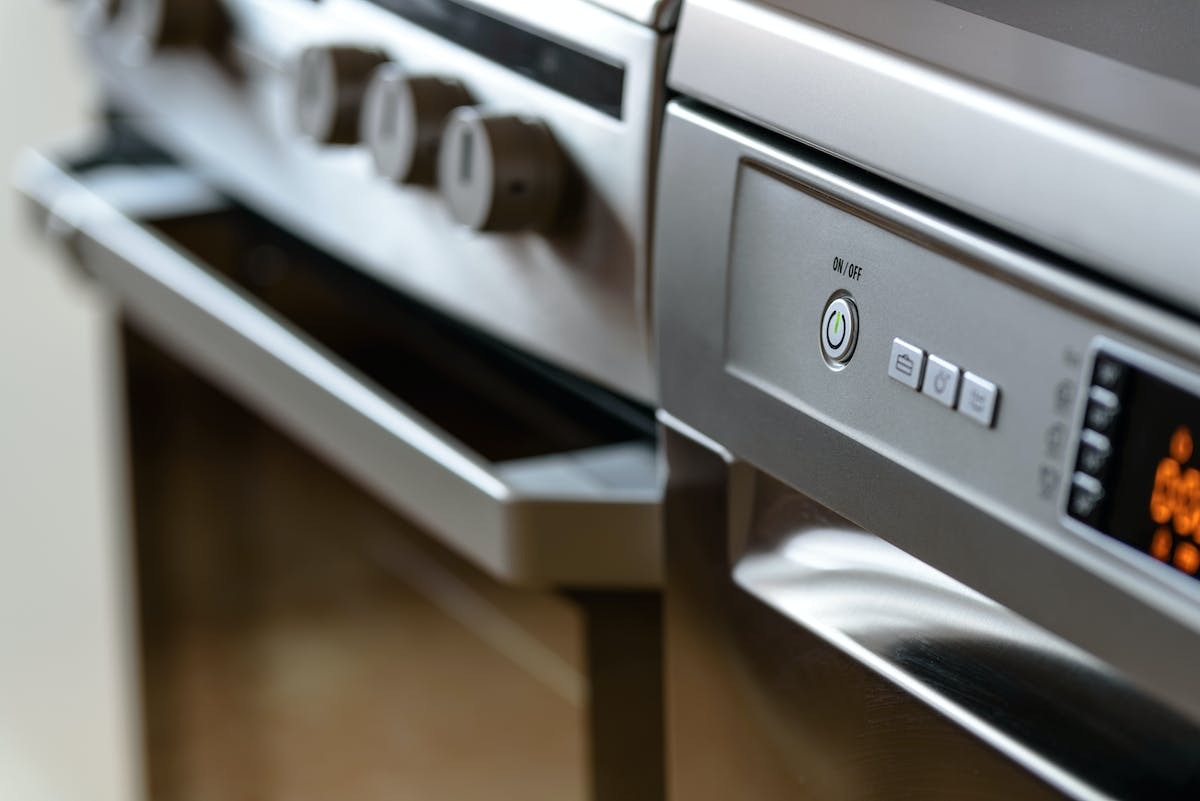
Concerning stoves and ovens, they generally require a bit more effort to ensure their safety during transport. The interior should be meticulously cleaned to eliminate residues and odors. The cooktops and grates should be removed and packed separately to avoid any shocks or scratches during the journey.
For dishwashers and microwaves, it is recommended to drain any water present in these appliances before handling. The microwave should be protected with appropriate packaging to prevent impacts that could damage its sensitive internal components.
Small appliances such as toasters, blenders, or coffee makers also need attention. Generally, it is sufficient to clean these devices thoroughly before transport. Specific boxes should be used for the accompanying accessories (power cord, detachable parts) to prevent them from getting lost during the move.
Preparing your appliances before a move requires careful planning and attention to detail. Taking the necessary time to secure each extension properly will minimize potential risks associated with transporting the machines.
Moving: how to preserve the freshness of your food Our tips for moving your refrigerators and freezers safely
When preparing to move, it is essential to take specific precautions for refrigerators and freezers. These appliances are sensitive to shocks and can be damaged if adequate measures are not taken.
You must defrost completely the refrigerator and freezer before transport. This will prevent ice formation that could cause internal damage during the journey. Be sure to thoroughly clean the interior with an appropriate product to eliminate any mold or unwanted odors.
Once defrosted and cleaned, these appliances must be meticulously dried before being packed. Any residual moisture can lead to corrosion or promote bacterial growth during the move.
Washing machines and dryers: our key steps for a hassle-free move
Washing machines and dryers are commonly used appliances in our homes. During a move, it is crucial to follow certain essential steps for their safe transport.
You must disconnect the appliances from the electrical outlet. This precaution helps avoid any risk of electrocution during the moving process. It is advisable to take a photograph or note the connections to be able to reconnect them correctly at their new destination.
Once disconnected, ensure that the drums of the machines are completely emptied. Any items left inside can cause vibrations and damage the internal parts during transport. Also, remember to remove all detachable accessories such as filters or collection trays to prevent them from detaching during the journey.
To ensure optimal protection during the move, carefully wrap each appliance with thick blankets or use specially designed covers to protect these fragile devices from any potential shocks during transport.
The next step is to securely fasten your washing machines and dryers in a vehicle suitable for transporting large and heavy appliances. Make sure they are well secured to avoid any sudden movements that could cause irreparable damage.
Once you arrive at your destination, take the time to check the condition of the appliances before putting them back into service. If you notice any anomalies, do not hesitate to call a professional to carry out the necessary repairs.
By following these essential steps during the transport of your washing machines and dryers, you will avoid possible breakdowns or costly damages. Taking care of your appliances is essential to extend their lifespan and ensure their proper functioning in your new residence.
Moving: don’t let your stoves and ovens play tricks on you! Our tips for transporting them carefully
Now let’s move on to stoves and ovens, essential elements of our kitchens. Preparing these appliances before a move requires special attention to ensure their integrity during transport.
Start by turning off the gas or electricity supply to your stoves. This preventive measure is crucial to minimize any risk of fire or leaks during the move. Ensure that the water supplies are also turned off if your stove has a steam or water feature.
Proceed to thoroughly clean the internal and external surfaces of the appliances using suitable products. Remove all food residues, grease, and deposits from the grates, heating plates, and inside the oven itself. Regular maintenance will not only allow for a more hygienic transfer but also provide better protection against the accumulation of potentially dangerous dirt during the move.
Once the cleaning phase is complete, disassemble all removable parts such as burners or grates to facilitate transport without risking them detaching and getting damaged along the way. Pack them separately with care to avoid any scratches or unwanted breakage.
To effectively protect your stoves and ovens during the move, use padding materials such as air cushions or thick blankets to wrap the appliances. This will provide additional protection against any potential impact.
When loading into the transport vehicle, ensure that the stoves and ovens are securely fastened to prevent them from moving during the journey. Use straps or tie them securely with sturdy cords. This crucial step will significantly reduce the risk of material damage.
Once you arrive at your destination, take the time to carefully inspect your stoves and ovens. Check the general condition as well as all connections to ensure they are ready to be used safely.
Following these essential tips will not only help you avoid possible breakdowns or breakages but will also extend the useful life of your valuable stoves and ovens. Ensuring proper maintenance and adequate preparation before a move is crucial for your peace of mind in your new culinary environment.
Tips for moving your dishwashers and microwaves with peace of mind
Now let’s turn to two other essential appliances in our modern kitchens: dishwashers and microwaves. During a move, it is crucial to properly prepare these devices to ensure their good preservation and avoid any accidents during transport.
Let’s start with dishwashers. First, unplug the appliance and turn off its water supply. This will prevent any risk of leaks or short circuits during the move. Completely empty the machine by removing all utensils inside as well as the cutlery basket. Also, remember to empty the filter to eliminate any impurities accumulated over time.
Once emptied, proceed to thoroughly clean the dishwasher using specific products recommended by the manufacturer or natural solutions like a mixture of hot water and white vinegar. Carefully clean all accessible parts such as the water jets, rotating arms, and the door to eliminate any residual traces of dirt or grease.
To effectively protect your dishwasher during the move, wrap it with a special cover designed for this type of equipment or use a thick padded blanket to cushion any potential shocks during transport.
Small appliances and accessories: how to prepare them for a move without breakage
Now let’s continue with tips for preparing small appliances and accessories. These items may seem less imposing, but they also require special attention during a move to avoid any unnecessary damage.
Let’s start with blenders, which are essential tools in our kitchens. Before packing them, make sure to clean all their removable parts thoroughly. Disassemble them if necessary to facilitate the cleaning process. Be sure to dry each component well before proceeding to pack.
To protect your blender during transport, carefully wrap it in bubble wrap or use padded material such as thick towels or foam cushions. Then place the appliance in a box suitable for its size and fill any empty spaces with crumpled newspaper to prevent it from moving during the move.
Regarding the coffee maker, be sure to descale it before the move to ensure optimal functioning after its installation in your new home. Use a specific descaling product recommended by the manufacturer and carefully follow its instructions for effective results.
After cleaning the coffee maker, pack it properly using a sturdy box that fits its size. To protect the fragile water reservoir of the appliance, remove it and carefully wrap it in bubble wrap or surround it with thick towels.
As for accessories such as immersion blenders, toasters, and electric kettles, pack them individually in bubble wrap and then place them in a suitable box, adding a layer of newspaper between each item to avoid direct contact that could lead to scratches or shocks during the move.
By following these simple yet important tips, you can effectively prepare your small appliances and accessories for a move. This will ensure their maximum protection so that they remain functional and ready to be used as soon as you arrive at your new home.