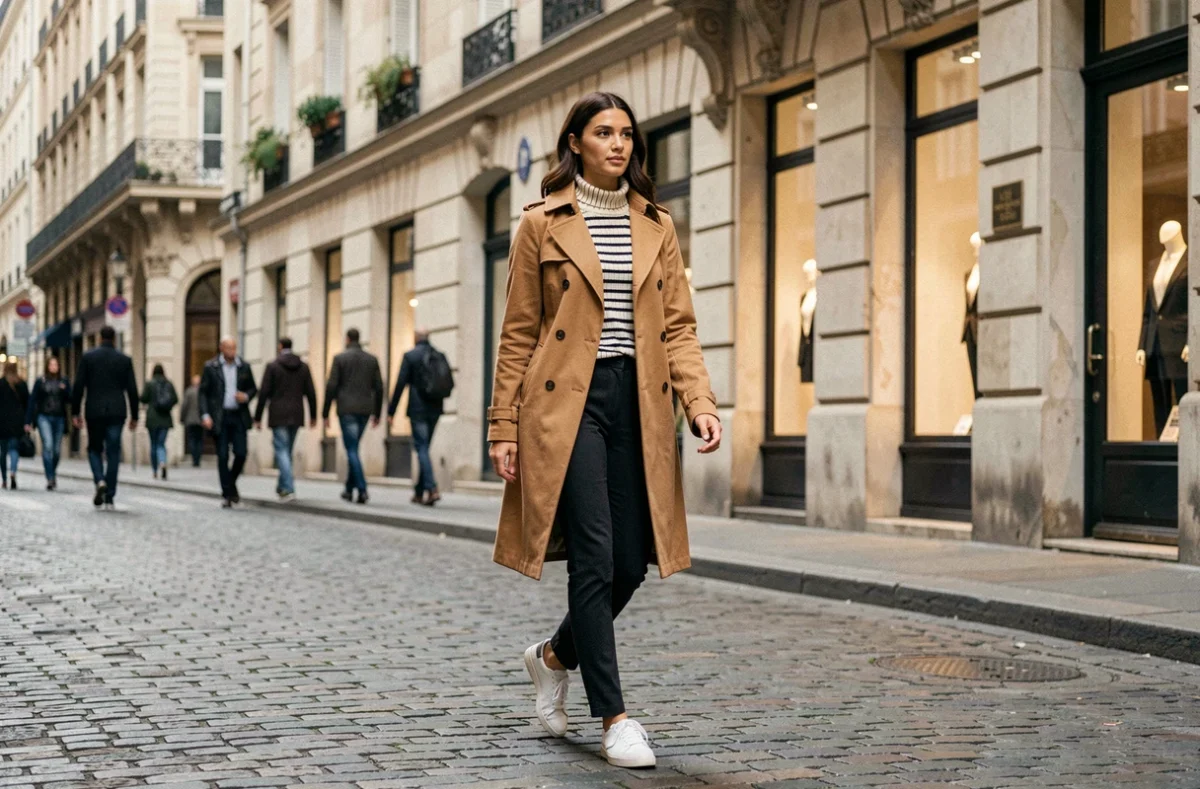
Every morning, the same reflex: open the closet, hesitate between three tops, close the door with the same outfit as the day before. Fashion trends come and go quickly, but building a unique style every day relies on a few simple mechanics. Understanding how colors, cuts, and materials interact can transform an ordinary wardrobe into a source of varied looks, without multiplying purchases.
Building a coherent color palette for your wardrobe
You may have noticed that a stunning garment in the window can look dull once worn? The reason often lies in the color, not the cut. A shade that doesn’t match your complexion or the rest of your wardrobe ends up forgotten on a hanger.
The principle is straightforward: choose three to four base colors that work well together, then add one or two accent shades. The base colors (navy, heather gray, off-white, black) form the foundation. The accent shades (a burgundy, a fir green, a terracotta) add depth.
Each piece in the wardrobe should be able to combine with at least three others. If a top only goes with one pair of pants, it doesn’t deserve its place. This simple filter reduces unnecessary purchases and multiplies outfit combinations. Specialized resources like blog2mode.com regularly detail these associations by season.
To test a new trendy color without risk, start with an accessory: a scarf, a bag, or a pair of shoes. If the shade works with your existing palette, you can invest in a more significant piece.
Cuts and body shape: choosing clothes that fit well
The cut of a garment changes the silhouette more than its color or material. High-waisted pants visually elongate the legs. A slightly fitted blazer structures the bust. These effects do not depend on trends: they rely on proportions.
Knowing your body shape allows you to filter fashion trends instead of being subjected to them. A very trendy oversized cut can overwhelm a petite silhouette, while it balances a broad frame perfectly. The barrel jean, for example, works better on long legs. On a more compact silhouette, a straight or slightly flared jean creates a more harmonious effect.
Three practical guidelines for assessing a cut in the fitting room:
- The shoulder seams of a jacket should fall exactly on the shoulder bone, not beyond or too far back.
- A well-fitted pair of pants doesn’t pull at the hips when sitting, and the fabric doesn’t create excessive horizontal creases.
- The length of a top tucked into high-waisted pants should allow for arm movement without the fabric coming out with every motion.
These checks take a few seconds and prevent returns or unworn clothing.
Autumn fashion trends: changes in volumes and materials
Recent runways confirm a shift towards loose volumes in the upper body, combined with more fitted bottoms. This contrast in proportions (defined shoulders, visible waist, tapered legs) creates a structured silhouette without rigidity.
Textured materials are gradually replacing smooth surfaces in autumn wardrobes. Ribbed knit, corduroy, boiled wool: these textiles add visual depth to a simple outfit. A twisted knit sweater worn over straight fine wool pants is enough to create a polished look.

In terms of trendy colors, warm and earthy tones dominate. Chocolate brown, camel, rust, and olive green easily combine with classic neutrals. Butter yellow, spotted in several collections, works as a bright accent against a dark base.
Why these choices over others? Because they adhere to a useful principle: a trend is only valuable if it integrates with what you already own. Buying an isolated trendy piece that is incompatible with the rest of your wardrobe results in creating an orphaned garment.
Ethical fashion and model protection: a concrete shift in the industry
Everyday style is not limited to the clothes worn. It also includes how they are presented and produced. In October 2026, Kering and LVMH strengthened their joint charter for model protection, with verifiable measures.
The minimum age for modeling increases to 18 years, and no model below size 34 can be recruited for the runway shows and campaigns of these groups. Scenes of nudity or semi-nudity are now subject to a formal protocol, including explicit consent and supervision on set.
Diversity becomes a criterion included in casting rules. This change goes beyond mere intent: it applies to agencies, service providers, and international partners working with these houses.
Why does this information matter for everyday style? Because fashion images directly influence the perception of bodies and clothing standards. More ethical production conditions also change the representations that consumers are exposed to. Choosing brands that are attentive to these issues is now part of a coherent style approach.
Concrete tips for varying looks without multiplying purchases
An effective wardrobe relies less on the number of pieces than on their versatility. A few simple techniques can refresh the appearance of an outfit without buying new clothes:
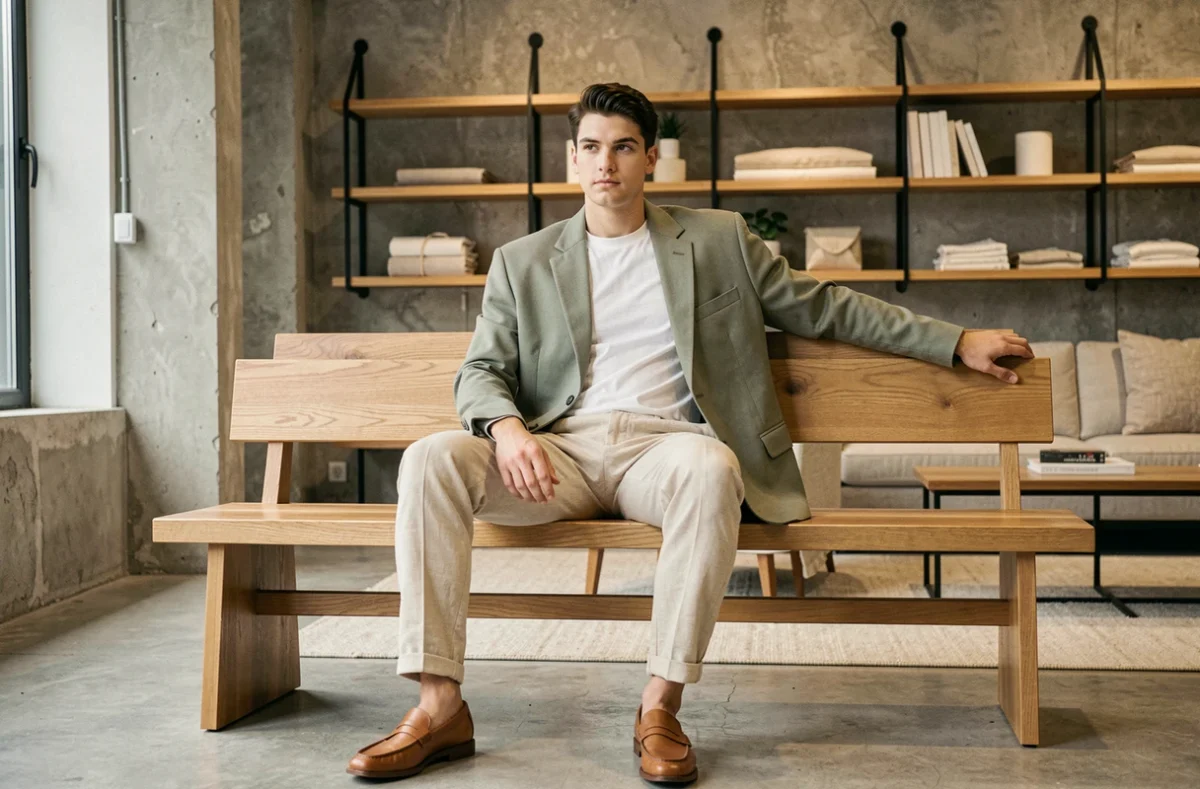
- Rolling up the sleeves of a blazer to the elbow transforms a formal look into a casual outfit. The gesture takes three seconds.
- Tying a shirt at the waist over a straight dress creates a layering effect that completely changes the silhouette.
- Changing only the shoes and bag between two days, while keeping the same top and bottom, produces a look perceived as different.
- Wearing a thin turtleneck under a summer dress extends its use for several months of the year.
The quality of a fabric is checked by touch and light, not just by price. A garment whose fabric pills after two washes costs more in the long run than a better-constructed piece bought slightly above its initial budget.
A unique style is not built in one shopping session. It is constructed through subtraction: removing what doesn’t work, keeping what combines, adding one piece per season when it addresses a real gap in the wardrobe.