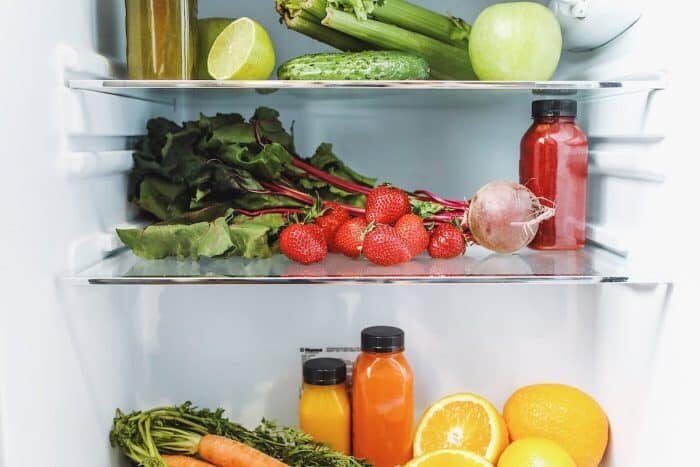
In an era where sustainability and preservation are becoming increasingly essential, an indispensable protagonist stands out in our kitchens: the freezer. This often underestimated ally plays a crucial role in food preservation, helping to extend their shelf life and reduce food waste. It helps maintain the freshness and quality of products while preserving their nutritional values. It offers unprecedented convenience, allowing access to out-of-season products at your fingertips. Thus, it is a valuable tool in our quest for more responsible and sustainable consumption.
Freezer: essential for food preservation
The freezer plays an essential role in food preservation, particularly when it comes to maintaining their quality and freshness. Thanks to its ability to rapidly lower the temperature, it effectively halts the process of food degradation.
When the electricity goes out, a common question arises: how long can a freezer stay without electricity? The answer varies depending on different factors such as the ambient temperature and the level of insulation of the freezer. Generally, a full freezer can keep food for about 48 hours during a power outage. Therefore, it’s wise to plan for such situations and have a strategy to transfer perishable products to another cold source if necessary.
Freezing: the key to keeping food fresh
Freezing is a method of food preservation that offers numerous advantages. It significantly extends the shelf life of food products. By freezing food, you effectively stop the development of microorganisms and enzymes responsible for their deterioration.
Freezing preserves the nutritional qualities of food. Vitamins and minerals are largely retained during the freezing process, unlike other methods such as cooking or canning. You can enjoy the nutritional benefits even after several months in the freezer.
Thanks to freezing, it is possible to access a wide variety of foods year-round. You can buy your favorite fruits and vegetables when they are fresh and abundant in the market and then freeze them for later use when these products are no longer available.
Freezing also helps reduce food waste. If you have bought too much fresh food or if you couldn’t use certain ingredients in time, simply putting them in the freezer can prevent them from ending up in the trash.
Thanks to recent technological advancements in this area, we can now benefit from flash freezing, which preserves the taste and sensory quality of these products as much as possible. This means that your homemade meals, soups, and pastries are frozen without losing their original flavors.
Freezing is an effective method of food preservation that helps maintain their freshness and nutritional qualities. It also provides a convenient way to access a wide variety of foods year-round and reduce food waste. Thanks to technological progress, flash freezing now ensures a culinary experience as enjoyable as that provided by fresh foods.
Freezing food: precautions to take
You must take certain precautions when freezing food to ensure its quality and safety.
It is recommended to choose fresh, high-quality foods for freezing. Foods that are already damaged or in poor condition are likely to deteriorate even more quickly once frozen. Therefore, it is better to opt for healthy and well-ripened products.
Before freezing, you should properly prepare the food. Wash them thoroughly under cold water to remove any dirt or residues. Peel them if necessary and remove any undesirable parts like seeds or stems.
You should use airtight bags specifically designed for freezing or suitable plastic containers. Make sure to remove as much air as possible from the packaging to prevent the formation of ice crystals that can alter the texture of the food.
Labeling plays a crucial role in the freezing process. Clearly indicate on each package the name of the product as well as the date it was frozen. This will allow for better organization in your freezer and also help you avoid using food too long after its expiration date.
For optimal defrosting, you should proceed slowly by placing the food in the refrigerator. Avoid defrosting food at room temperature, as this promotes bacterial growth. If you are in a hurry, you can use the microwave’s defrost setting, but be sure to follow the manufacturer’s instructions.
You must respect the maximum recommended freezing durations for each type of food. Generally, meats can be stored for up to 6 months, while vegetables and fruits can be kept for about a year. Beyond these timeframes, the taste and nutritional quality of the food may deteriorate.
Freezer: reducing food waste
To avoid food waste, think about organizing your freezer well. Here are some tips to optimize its use and preserve the freshness of food as much as possible.
Be sure to organize your freezer well. Arrange the food methodically according to their type: meats in one compartment, fruits and vegetables in another, etc. This will allow you to easily find what you need without having to move all the products.
Be careful not to overload your freezer. Sufficient space should be maintained between different foods to allow air to circulate properly. If the freezer is too full, it can lead to excessive frost buildup, thus affecting the quality of the frozen products.
Stock rotation is also crucial to avoid waste. When you go shopping or when you add new items to your freezer, always ensure to use those that have been there longer before they reach their expiration date.
Good portion management is another effective way to limit food waste. Freeze leftovers in individual portions so that you can defrost only what you need for a single meal without having to defrost the entire package.
Learn to take advantage of the preserving power of the freezer. Some foods can be frozen before reaching their expiration date to keep them longer.
Organizing your freezer: practical tips
To optimize the organization of your freezer, feel free to use vacuum bags. By removing all the air from the bag, you prevent frost formation and thus extend the shelf life of the food. Vacuum bags also allow for considerable space savings in your freezer.
Another tip is to clearly label each food before placing it in the freezer. Write the freezing date to ensure that nothing exceeds its recommended limit. Don’t forget to also indicate the contents of the container to facilitate your future searches.
Also, think about organizing your food according to their size and shape. If you have a specific drawer for breads or pizzas, for example, group them together. This will not only make searching easier but also preserve their integrity.
You should pay particular attention to the freezer temperatures. Ensure that it is set between -18°C and -20°C to ensure proper preservation of food over a long period.
If you are a fan of batch cooking or want to prepare meals in advance, consider using small individual containers like glass jars with airtight lids or silicone packaging that can go directly into the oven. These practical containers facilitate not only freezing but also defrosting and reheating meals.
By following these simple tips, you can effectively organize your freezer while preserving the quality of your frozen foods. Remember that the freezer is a valuable ally in the fight against food waste.
Freezer: ally of healthy and economical eating
It is undeniable that the freezer plays a crucial role in food preservation. This appliance proves to be an indispensable ally for a healthy and economical diet.
Thanks to its ability to maintain low temperatures consistently, the freezer helps preserve the freshness and quality of food over a long period. It thus allows the possibility to buy in bulk during promotions or abundant harvests at the market without fearing waste.
The freezer promotes a balanced diet throughout the year. You can store your favorite fruits and vegetables when they are available in large quantities during harvest periods. You always have fresh products rich in essential nutrients at hand.
Using the freezer also saves time and facilitates daily meal organization. By preparing your dishes in advance and freezing them in individual portions, you save valuable time on busy days. You just need to defrost and heat your dish to enjoy a homemade meal even when you’re short on time.
Pay special attention to best practices to optimize the use of the freezer. Be sure to adhere to recommended temperatures to ensure optimal food preservation while avoiding any bacterial contamination.
The freezer is a valuable ally for a healthy and economical diet. It helps preserve the quality of food, combat food waste, and optimize daily meal organization. Don’t hesitate to use all the mentioned tips to fully benefit from your freezer and enjoy a balanced diet throughout the year.