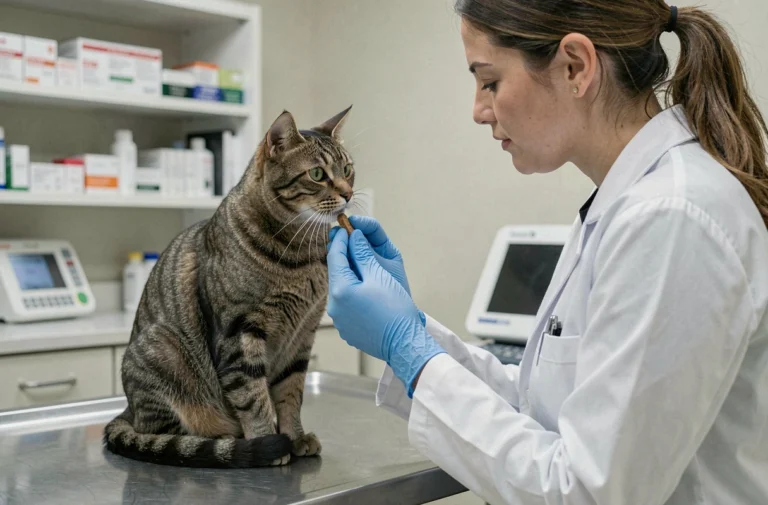
Some cats systematically refuse a litter that is recommended by veterinarians. Materials deemed eco-friendly sometimes lead to unexpected allergies. The monthly subscription, presented as a practical solution, often hides additional costs or delivery constraints.
The differences between clay, silica, plant fibers, and recycled pellets are not just a matter of price or trend. The criteria for choice vary according to the animal’s behavior, the size of the household, or sensitivity to odors. Expert opinions differ on the best option in terms of health and comfort for the cat.
Why the choice of litter influences your cat’s well-being (and your daily life)
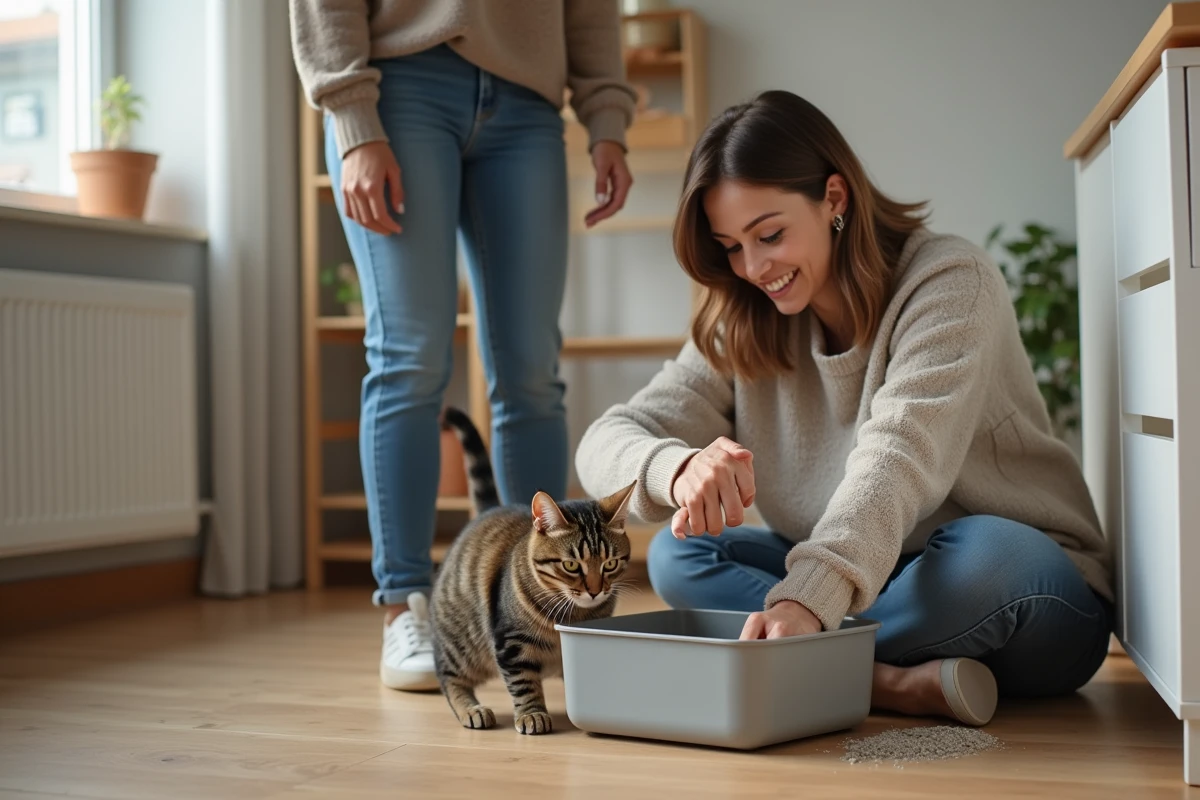
Choosing a cat litter is not a mere formality. This choice impacts the balance of the household and the health of your feline companion. Owners quickly realize: changing the type of litter alters the hygiene of the home, odor management, and even the cat’s behavior. An animal disturbed by a smell or texture may ignore its box, with all the consequences that entails for the tranquility of the home.
The chosen litter also affects the health of the cat. Some pellets absorb moisture very effectively, while others produce a lot of dust, which can irritate the respiratory tract. Clumping litters make cleaning easier and prevent waste, while plant-based versions appeal for their eco-friendly aspect and their ability to be composted. But beware, every innovation has its limits: silica absorbs liquids perfectly but does not decompose easily, and scented litters may disturb some cats, even diverting them from the box.
Technology is now entering our homes with the connected litter. It automates cleaning, tracks usage frequency, and reports any anomalies, providing real support for owners concerned about monitoring their pet’s health on a daily basis. The frequency of renewal depends on the number of cats and the type of litter, a point to watch to maintain a clean and healthy environment.
To navigate through all these options, discovering MaxiScoop online allows access to solutions designed for the well-being of the cat, without neglecting practicality for the owner. However, it is better to make the transition gradually: cats do not appreciate sudden changes. Focus on maintaining their habits while ensuring quality, ease of maintenance, and environmental impact.
What types of litters and accessories really exist? Advantages, disadvantages, and selection criteria
Between mineral litter, silica litter, plant litter, and paper litter, the available materials reflect the evolution of needs and expectations. Mineral litter, generally made from clay or bentonite, remains popular for its affordable cost and absorption capacity, even though it often generates dust and is not very environmentally friendly. Silica litter, made from crystals, stands out for its effective absorption and odor neutralization, but it struggles to convince on the biodegradability front and requires a larger budget.
Composting enthusiasts turn to plant litters, made from wood fibers, straw, or corn. They appeal for their low dust emission and biodegradable nature, although they sometimes tend to stick to paws. Recycled paper litter, on the other hand, combines good absorption and respect for the planet while limiting the risk of scattered grains.
On the accessory side, several options are available to improve hygiene and comfort:
- The litter box comes in open or covered versions, ideal for cats that enjoy privacy or for better odor retention.
- A special mat placed at the exit helps catch the grains that escape under the paws.
- Waste bags simplify the collection and sorting of waste.
- An airtight bin effectively blocks odors and limits germ proliferation.
- For those who want to go further, the connected litter automates cleaning and allows health tracking via a dedicated app.
The selection will depend on the cat’s behavior, the desired maintenance frequency, ecological concerns, as well as budget and ease of access to these products, with online shopping allowing for quick adjustments to all these constraints.
Subscription or retail purchase: how to find the most practical and economical solution for you?
With the rise of delivery services, litter subscription has become a comfort solution for many owners. Receiving litter bags at regular intervals, without having to think about it, saves time and avoids stock shortages. The price, set in advance, eliminates unpleasant surprises and simplifies budget management. Some services go further by adjusting the quantity to your household, offering multiple types of litter, and modifying the delivery schedule according to your needs.
In contrast, retail purchase retains all the flexibility: you can test a new product, adapt your purchases according to promotions, or change your mind with each order. This freedom has its downside: you have to travel, manage stock at home, and regularly transport bulky packages.
To clarify what each option offers, here’s an overview of the strengths and limitations:
- Subscription: time-saving, direct delivery, predictable pricing, order customization.
- Retail purchase: more freedom, immediate access to purchase, but logistical management falls on the owner.
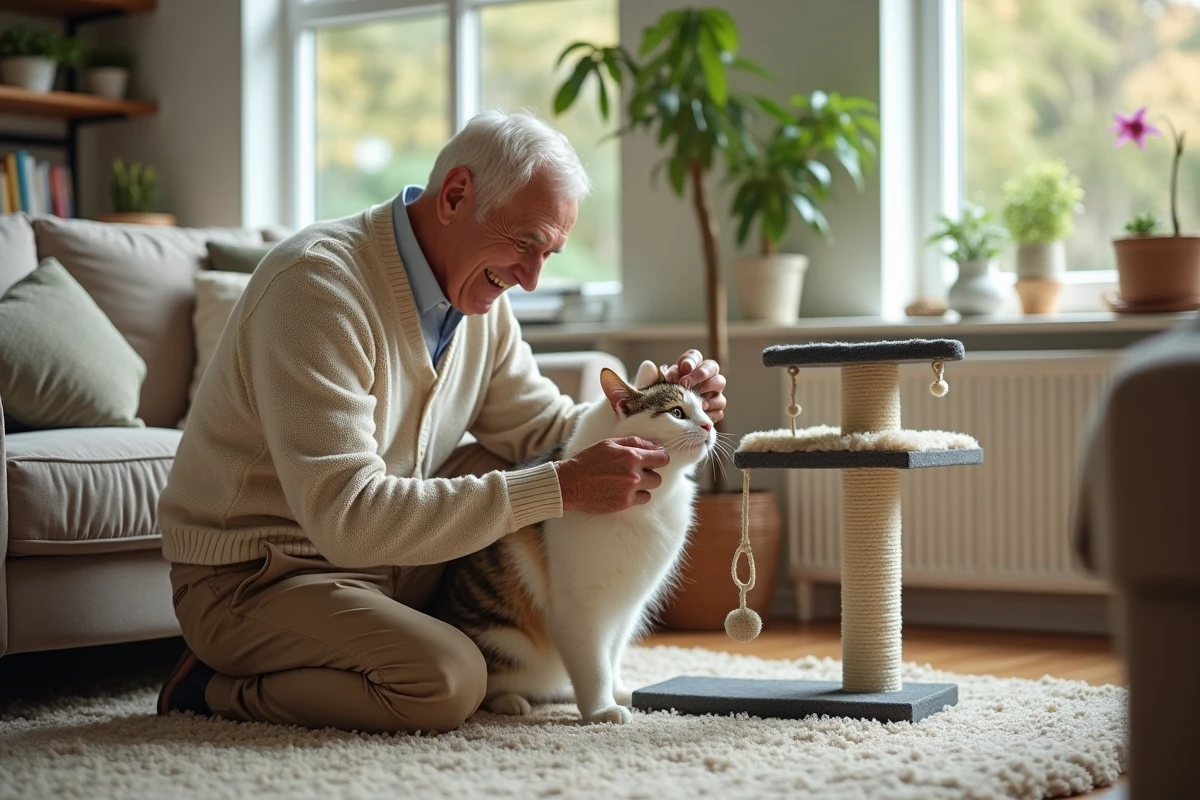
The choice will depend on your lifestyle, the number of cats at home, and your desire to delegate or not the management of stocks. For many, the regularity offered by the subscription simplifies daily life and allows focusing on what matters: sharing real moments with their four-legged companion. Ultimately, the best solution will be the one that quietly adapts to your routine and that of your cat, so that the issue of litter never becomes a headache.