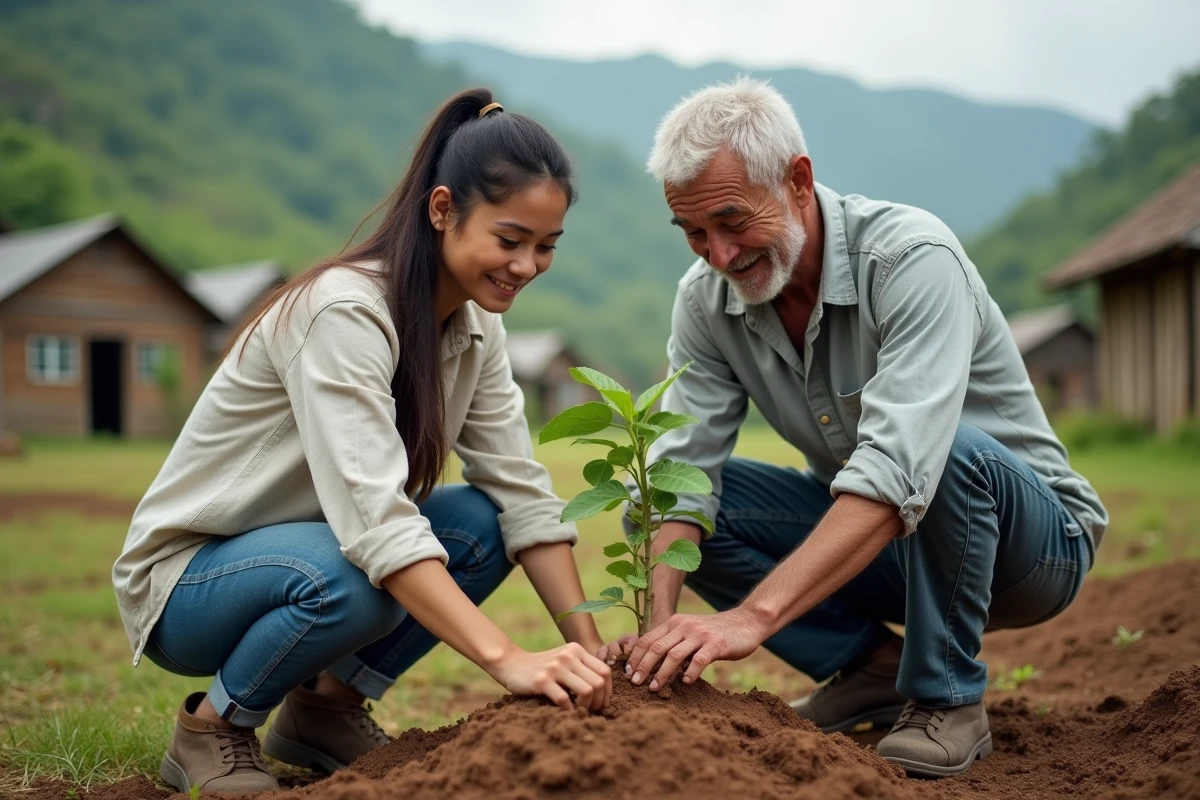
The World Bank puts forward a figure that does not go unnoticed: over 10% of the global economy relies on tourism, yet, in a striking paradox, less than 5% of travelers’ spending actually lands in the pockets of locals. In light of this disconnection, some destinations are now choosing to limit the number of visitors to preserve their heritage and cultural identity.
In response to this reality, initiatives are emerging to change the game. They focus on fair exchanges, participatory stays, solidarity missions, or close collaborations with local actors. The goal: to make each trip a true engine of progress for the territories, rather than just a fleeting visit.
Why sustainable tourism is changing the way we travel
Sustainable tourism is not just a trend or a slogan. It is a way to rethink travel from the ground up, in contrast to the standards of mass tourism that homogenize experiences and weigh heavily on both the planet and its inhabitants. Today, many aspire to an authentic experience, one that is respectful and rooted in local reality. This is not a figment of the imagination: only a few crumbs of tourist spending benefit the locals, while the sector has a significant impact on the global economy. This reality fuels a desire for change: to leave a meaningful mark, to share the responsibility of travel.
Taking time, opening up, slowing down: this is what alternative travel offers. With slow travel, we prioritize trains, bicycles, or walking, choose to stay with locals, and savor local life. Ecotourism invites us to protect nature and give meaning to every encounter. Here, sustainable development is not an empty word: it takes shape in every choice, such as staying in a local guesthouse, tasting local specialties, or respecting the customs of the country.
New tools accompany this transition. On levoyageursolidaire.fr, the focus is on immersion and direct support for projects led by communities. Far from clichés and folklore, travel becomes an opportunity to support the local economy, protect ecosystems, and discover a vibrant culture. The traveler, in turn, changes their posture: they no longer just pass through; they engage, inform themselves, and adjust their perspective. Each journey then transforms into a meaningful experience.
Can we really explore the world while helping local communities?
Solidarity travel goes far beyond mere contemplation of landscapes. It creates connections and engages on the ground. Stepping off the beaten path offers the possibility of a genuine cultural exchange. Sharing the daily life of a local community, learning a trade from a craftsman, cooking with a family, contributing to the construction of a school or the protection of a natural site: every gesture counts and reinforces the role of locals in their own development.
There are many ways to get involved. To illustrate these forms of engagement:
- Discovering and passing on local craftsmanship to sustain unique skills
- Participating in educational or environmental projects that are rooted in everyday life
- Meeting those who carry out initiatives on the ground to understand and support their efforts
- Providing direct support to community businesses that sustain the local economy
In Ouidah, for example, Modeste’s cooking school welcomes travelers eager to learn about local cuisine. Beyond learning, this initiative promotes a model where the benefits go directly to the population. Each experience on the ground thus becomes a lever for shared transformation.
This model of solidarity tourism places the traveler in a dynamic of listening and support. Memories are not just images or anecdotes: they translate into a real capacity to act positively for communities while respecting their culture and environment.
Concrete tips for preparing a responsible and solidarity-based trip
To take concrete action during preparation, there are several accessible levers for everyone.
Adopt sustainable transport: trains, bicycles, walking, or buses should be prioritized to reduce carbon footprints and restore the true dimension of travel. Journeys become moments of discovery, encounters multiply, and flying is only considered for long distances or in the absence of credible alternatives.
Think about local accommodation: eco-lodges, guesthouses, or homestays allow for direct support to families and small businesses in the country. These accommodations, often certified (for example, Green Globe), guarantee a real immersion in the heart of traditions.
On-site, focus on authenticity. Favor small groups or tailor-made trips, accompanied by a local guide or a French-speaking companion who knows the territory and its challenges. Responsible travel also means respecting customs, lifestyles, and traditions. Some destinations, from Vietnam to Crete, passing through Costa Rica, Benin, Tanzania, Sapa, Zanzibar, or Iceland, offer an ideal ground to experience alternative tourism.
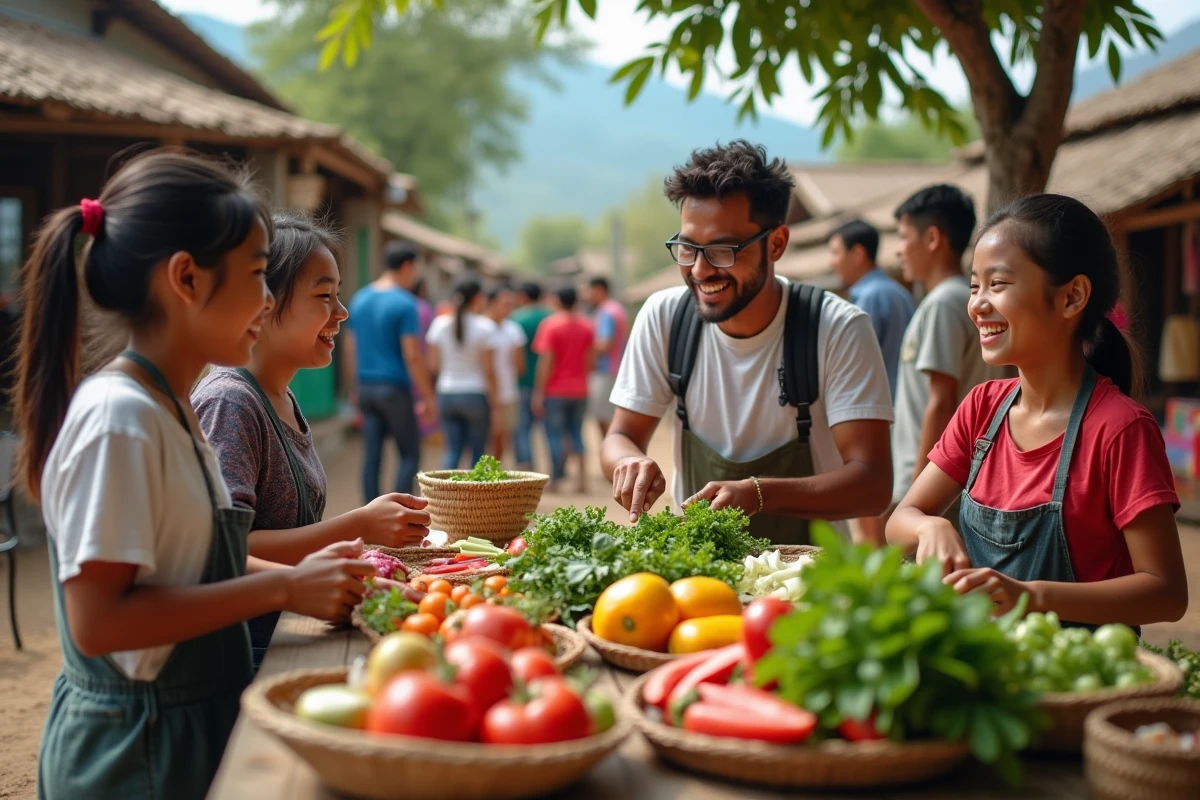
Buying habits also contribute to this approach. Favor products from artisans, cooperatives, or local markets. Opening up to the country’s cuisine, discovering skills, gives meaning to every moment. Sustainable development then takes shape in the attention paid to every gesture, every exchange, every encounter.
Solidarity travel does not promise a perfect world, but it offers valuable opportunities to act, learn, and build lasting connections. With each return, a new way of looking at the world invites itself into our luggage, ready to flourish elsewhere.