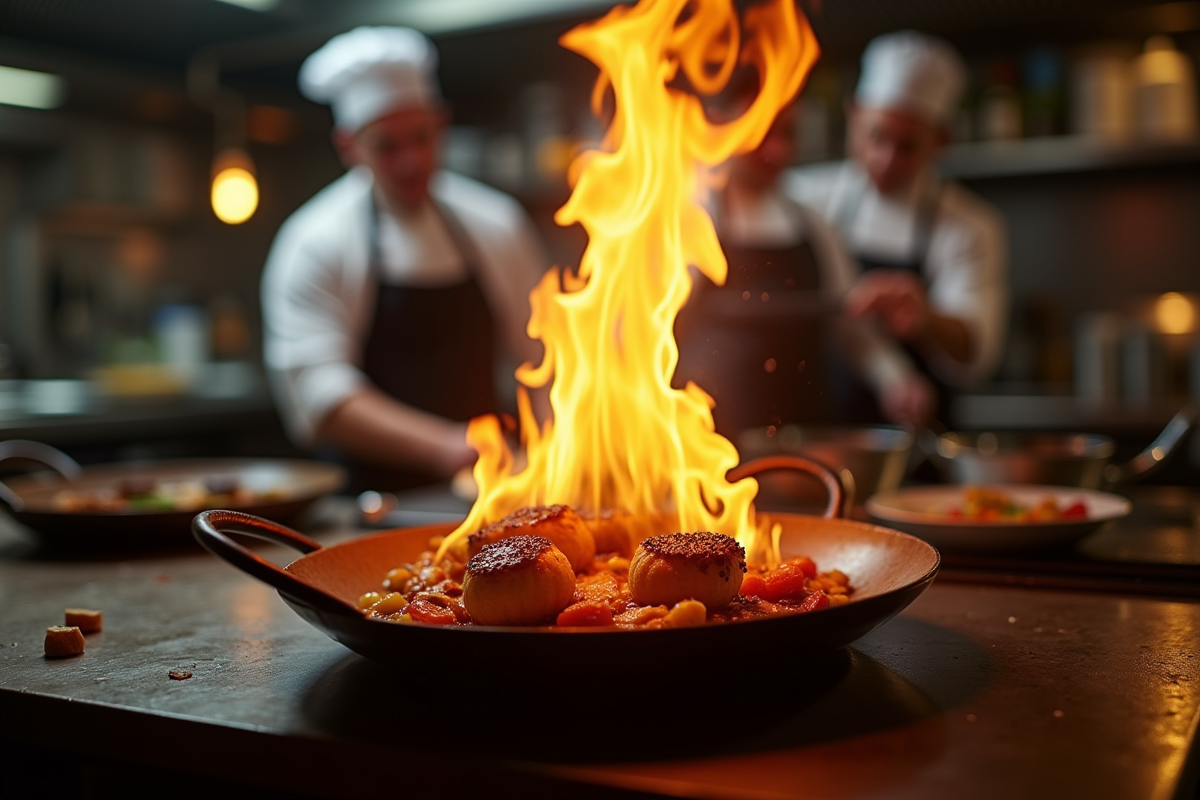
The marriage between alcohol and cuisine is an old tradition that continues to captivate food lovers. Among the spirits, rum, with its rich and varied flavors, holds a prominent place in the creation of refined dishes. Used in both marinades and desserts, it adds a unique aromatic depth.
From meats to fish, and including pastries, rum enhances ingredients with its notes of vanilla, caramel, or tropical fruits. This spirit, often associated with islands and exoticism, becomes a valuable ally for chefs seeking originality and complex flavors.
Choosing the Right Rum for Cooking
The choice of rum for cooking depends on the desired effect and the type of dish. Each category of rum offers distinct characteristics, thus influencing the aromatic profile of the dishes.
The Different Types of Rum
- White Rum: freshness and purity, often used in cocktails like Mojitos or Daiquiris.
- Amber Rum: complex and spicy notes, perfect for marinades and reductions.
- Aged Rum: deep and rich aromas, ideal for desserts and slow-cooked dishes.
- Agricultural Rum: vegetal aromas and finesse, made from fresh cane juice, used for delicate preparations.
- Industrial Rum: round and sweet flavor, made from molasses, suitable for pastries and sauces.
Origins and Terroirs
The terroirs of the Caribbean bring unique specifics to each rum. Rums from Martinique and Guadeloupe, for example, are distinguished by their finesse and complexity, while those from Jamaica and Barbados are known for their intensity and aromatic richness. The cooking rum, whether from Cuba, the Dominican Republic, or Guyana, enriches dishes with subtle nuances, transforming a simple recipe into a culinary experience.
How to Choose Your Cooking Rum?
Consider the pairing between the rum and the ingredients of the dish. For a meat dish, an amber or aged rum will bring spicy and woody notes. For desserts like a tropical fruit tart, prefer a white or light rum, which will highlight the freshness of the fruits. Agricultural rum, with its vegetal aromas, pairs perfectly with delicate preparations, while industrial rum, rounder and sweeter, is ideal for sauces and pastries.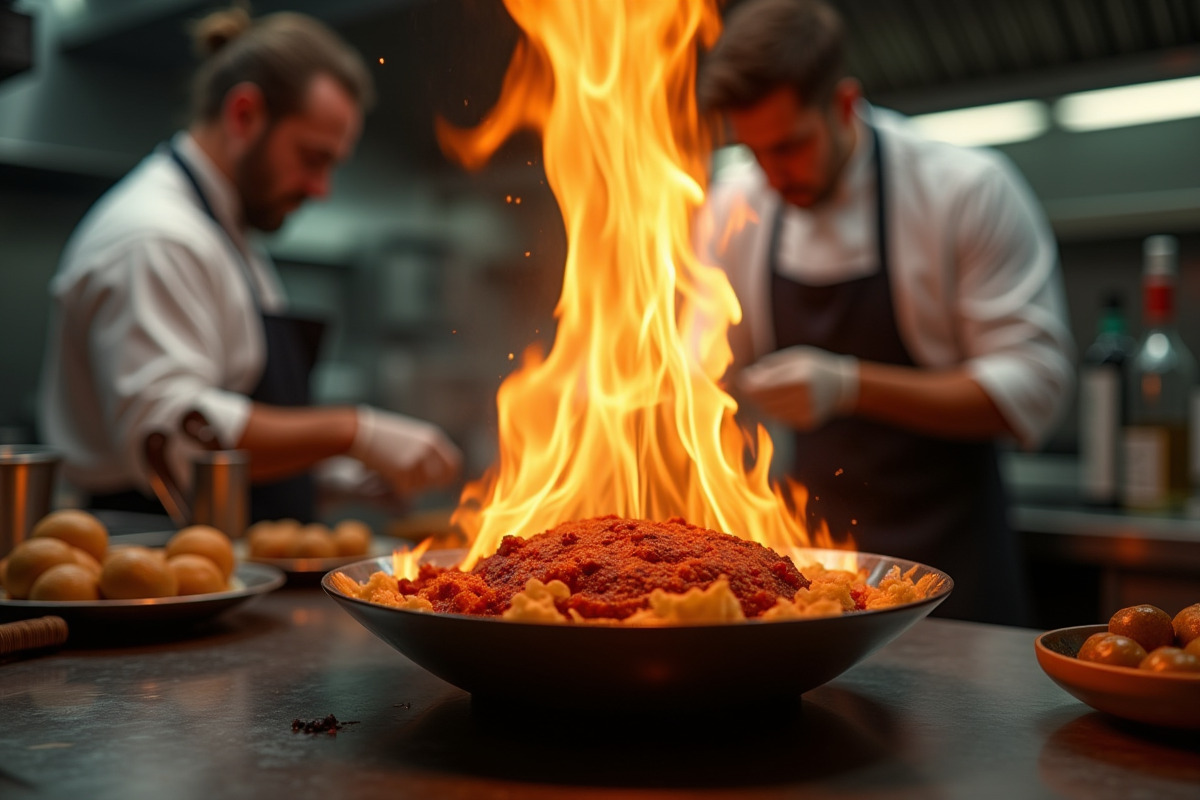
Recipes and Techniques to Enhance Your Dishes with Rum
Using rum in cooking can transform a mundane recipe into a gastronomic experience. Here are some tips and techniques to make the most of its aromas.
Marinades and Sauces
For marinades, the choice of rum is fundamental. Use an amber rum for red meats or poultry. Its spicy and woody notes will enrich the preparation. For seafood, prefer white rum, whose freshness and purity will enhance the marine flavors.
Food and Rum Pairings
Rum pairs beautifully with various foods:
- Dark Chocolate: pair it with an amber or aged rum for a rich and harmonious combination.
- Aged Cheese: an aged rum will elevate the complex flavors of the cheese.
- Tropical Fruit Tart: a light and fruity rum will highlight the freshness of the fruits.
Flambéed Desserts
Flambéing desserts with rum adds a theatrical touch and aromatic depth. Use an aged rum for Crêpes Suzette or flambéed bananas. The heat releases the deep and rich aromas, enhancing the dessert.
Infused Rum
Infused rum, a blend of rum and macerated fruits or spices, can be used as a sauce base or to flavor a dessert. Prepare it in advance to allow the flavors to fully develop. Tasting an infused rum offers a unique sensory experience, enriching the aromatic profile of each dish.